24 + Years in transforming Rural Governance, Livelihood and Empowerment
OUR STORY
About Us
Association for the Rural Development (ARD) was formed by like minded group of dedicated social workers under the leadership of Shaik Basheer in the Year 2001, with a view to help the poor who were faced by numerous issues related to ignorance, illiteracy, ill health, migration( within the state and interstate),child labour and bonded system and despair, crime and exclusion from the mainstream of society.
The status of women and children was most deplorable due to their total subjugation and dependence on the men-folk for their sustenance. The organisation was convinced that the backwardness, exclusion, and poverty was mainly due to the lack of awareness among the target communities such as the Tribals, Dalits, fisher folk and Muslims. The organisation decided to work with the weaker sections of society and create awareness among them so that they would be able to liberate themselves and form a sociably just and gender equitable society where men, women and children can live with dignity and honour.
ARD initially commenced working with Street Children who were generally children who have run away from their homes due to some problems or orphans who have nowhere to go and take to living on railway platforms and other such places. These children often fall prey to paedophiles and other criminals and ultimately become anti-social elements. ARD initiated the “BalaTejessu” meaning “Light of Children” with support from Action-aid India.
Next project was about Relief, Rehabilitation and Reconstruction after the devastating Tsunami of 2004. ARD was asked by ActionAid to expand its activities to cover the Fisher-folk and Yanadi tribals who were affected by the tsunami. It was during this period that the organisation came into close contact with the Anadhi / Yanadi community and discovered that this is a segment of society that has been totally overlooked by the Government officials. The fact remains that even in this day and age this hunter gatherer community, lives on the fringes of society and remains largely unseen or unheard.
Later, ARD has worked in various Socio-Economic developmental works in the field of Education and Child Care like Rehabilitation for Runaway Children and bridge course camps for school dropouts.
Setting up of a Residential Special Training Centre, Kota, Creating Learning Opportunities for School Children of Sricity , Colgate, Coordination with Child line Foundation.
Disaster Management like Tsunami Disaster Relief and Rehabilitation and Livelihood Reconstruction for the Tsunami affected families in Andhra Pradesh, Organising Cyclone Relief camps, Empowering Tribals through Right based efforts and Human Capital development works like Empowering Yanadi Tribes and Protecting their Rights, Improving the health and education of disadvantaged women and children
Eradication of Bonded Labour in Nellore district through community mobilisation and Emancipation Of Bonded Labourers, setting up of 2 Night Shelters For Homeless People in Nellore.
Worked for the Eradication of Leprosy, Sustainable Development and Decent Employment for the Marginalised workers of AP and working with NULM(National Urban Livelihood Mission)
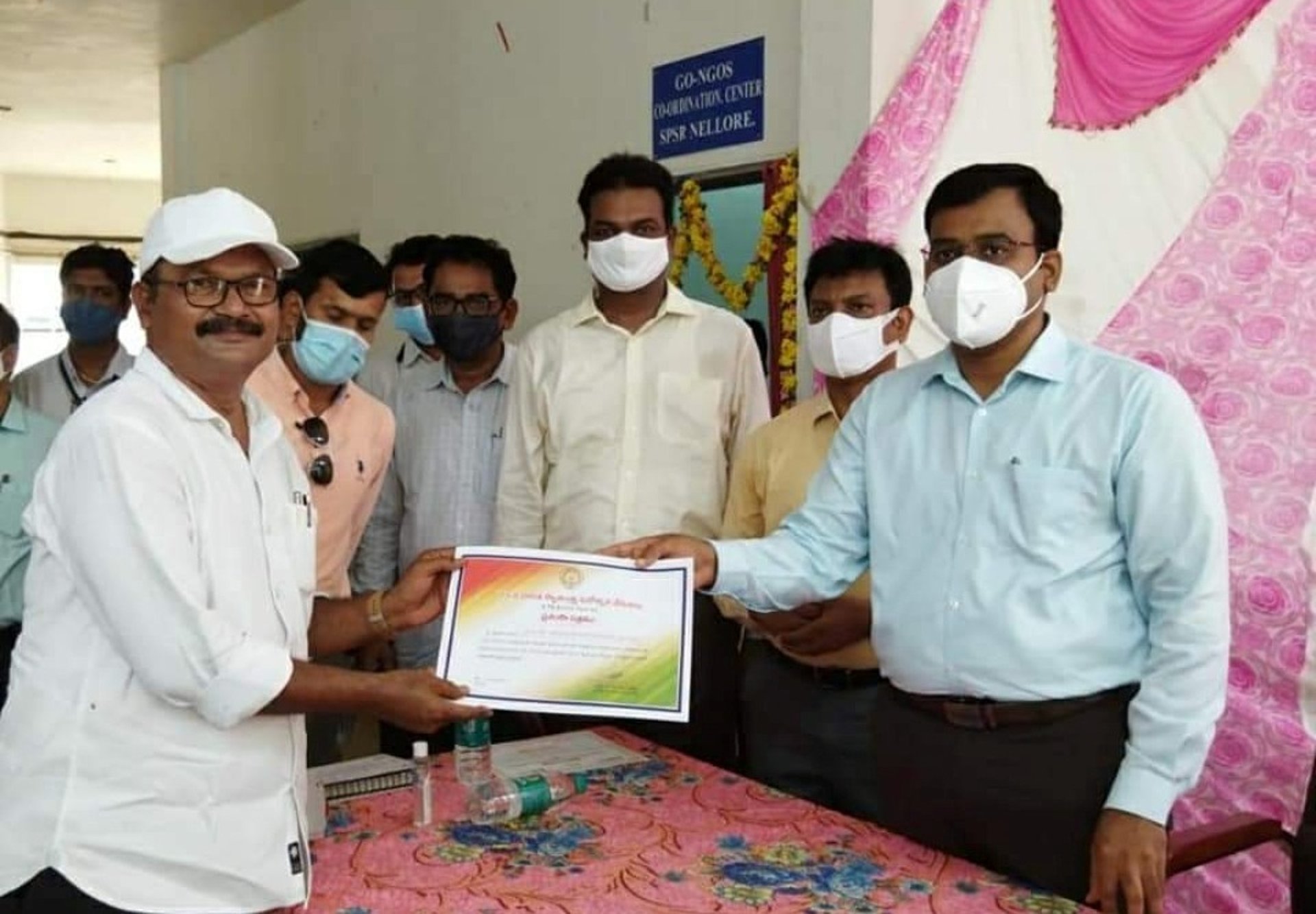
Covid-19 Relief through providing 60 Oxygen concentrators numbers, Pulse oxy- metres, Thermo scanners, N95 Masks, Sanitizers etc during COVID second wave
Providing COVID-19 Relief in the form of dry ration kits.
Sustainable agriculture an fisheries




Projects we are focusing on
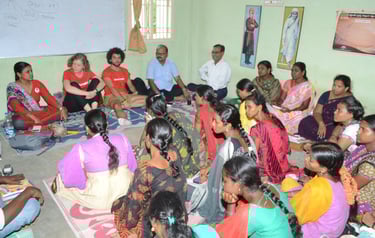


Italy Team Visit
EDUCATION
Italy Team Support for the Socially Weaker sections of the Society
Education support for down trodden communities is crucial in ensuring equal opportunities for all. By providing access to quality education, we can empower tribal individuals to break the cycle of poverty and achieve their full potential. This can include initiatives such as building schools in remote tribal areas, providing scholarships and financial aid, and implementing culturally relevant curriculum. With the right support, tribal communities can thrive and contribute to the overall development of society. It is essential to recognize the unique challenges and barriers that tribal communities face in accessing education, and work towards creating inclusive and supportive educational environments for all. Through education, we can bridge the gap and create a brighter future for all members of society, regardless of their background.